Showing posts with label The Facts / History. Show all posts

Wednesday, December 19, 2007

Cinco De Mayo: A Short History With Recipes to Follow

Cinco De MayoMost people believe Cinco De Mayo, or the 5th of May, to be Mexico’s Independence Day, however, this is not true.  At midnight on September 15, 1810 is when the country actually gained its independence from Spain.  So, what did happen on May 5, 1862 to cause such a holiday? Well, my friends, it was the Battle of Puebla.

As a new country just recently claiming independence from Spain, things weren’t always easy. You know, with war around every corner: the Mexican-American War (1846-1848), the Mexican Civil War of 1858 & many other political uprisings left the fledgling country with only a few coins in the bank. The summer of 1861 saw President Benito Juarez issue a two year moratorium on foreign debt payments, which hoped to restore financial progress.Â

Of course, this didn’t go over so well. The English, Spanish & French were not wiling to allow Mexico this two year delay and instead invaded to get their monies by whatever means necessary. While the Spanish & English, being the good guys they are, eventually withdrew, the stubborn French patriots stuck with their financial goals and added establish an empire in Mexico under Napoleon III in the pot. The tricky French also had their eyes on the US states and were seeking aiming to help the Southern rebels in the Civil War.

Which now leaves us to the answer to our Cinco De Mayo query. A most important battle took place on May 5, 1862 when the French army was defeated by a small army of Mestizo & Zapotec Indians under the command of General Ignacio Zaragoza. This battle victory symbolized freedom to the Mexican people and gave them hope. After the end of the US Civil War, the Union sent support to the Mexican army and succeeded in driving out the French.

And there you have it, the Cinco de Mayo history. The reasons behind this wonderful holiday. And what would a holiday be without festivals & food? Cinco De Mayo festivals are known for their delicious food & drinks as well as music & dancing. I cannot give you the dancing, but let’s step into my kitchen for food & drinks!

Watch out for the ‘Cinco De Mayo Recipes & Party Menu’ post coming soon.

Eat well & Laugh often!

Digg this

Wednesday, October 24, 2007

The Acidity of Ratatouille & Why Oven-Roasting is Like Drinking a Coke

The Acidity of Ratatouille & Why Oven-Roasting is Like Drinking a CokeI came across an interesting cooking article on the BBC today. The article focused on one of my favorite foods, ratatouille and why the dish may be harmful to your pretty, white teeth.

“Cooking vegetables in different ways could cut down on tooth decay, scientists have claimed.
Certain methods of cooking them can make vegetables as acidic as fizzy drinks, according to a new study.

Researchers at Dundee’s dental school made the discovery while experimenting with the vegetarian dish ratatouille.

They found that, compared with stewing, oven-roasting significantly increased the acidity of vegetables such as green peppers, aubergines and courgettes.

Dr Graham Chadwick, who led the study, said its findings could be used by dentists when advising patients on ways to fight dental erosion.

The problem is caused by the direct contact of acid with the teeth, which destroys tooth tissues - leading to the need for expensive dental treatment.

Dr Chadwick said: “The acidity of ratatouille prepared by oven-roasting is the same as that of some carbonated drinks that, when consumed in excess, are believed to contribute to the development of dental erosion.”

The research, published in the European Journal of Prosthodontics and Restorative Dentistry, came following claims that vegetarians are at higher risk of dental erosion because of the large quantity of naturally acidic fruit and vegetables they eat.

The researchers also found the cooking method had no impact on the acidity of tomatoes or onions, but roasting resulted in more acidic aubergines, green peppers and courgettes.

Red peppers, they also discovered, were more acidic when stewed.”

Hmmm, two of my fav dishes, roasted red peppers & ratatouille, bad for my pretty whites. I dunno. I just don’t think I can give them up.

So, with that stay tuned for the upcoming ‘I Just Can’t Live Without My Ratatouille Recipe’ post.

Eat well & Laugh often!

Digg this

Tuesday, October 23, 2007

The Relationship Between Coriander & Cilantro

The Relationship Between Coriander & CilantroSo, what is the relationship between coriander & cilantro? That’s what I’ve been wondering and I think I’ve tracked down the answer. The word ‘coriander’ can be used to describe the whole of an annual plant in the parsley family: leaves, stems, seeds & all.

However, when speaking of coriander, most are referring to the spice produced from the seeds of the herb. The leaves of the plant are called cilantro, which derives from the Spanish word for coriander. Ahhh, this makes sense, since the leaves and the ripened seeds taste quite different from each other.

Coriander seems to get a better rap than its counterpart cilantro. Coriander has a pleasing lemon-like flavor accompanied by a sweet aroma. Cilantro, on the other hand, is quite a different story. I found it hilarious that there is actually a site out there that bears much hatred to the wonderful leaf- IHateCilantro.com. You should really browse around, it’s pretty cute. Make sure you check out the graphs that indicates what cilantro tastes like, it ranges from doll hair to stink bugs.

Maybe cilantro is like caviar & Scotch whiskey, you have to develop a taste for it. I must be a quick developer, because cilantro is rarely not in my kitchen. It goes in my couscous, guacamole, salsa and bruschetta. Cilantro is my pal, maybe I should think on starting IHeartCilantro.com.

Coriander & its cilantro leaves are native to the Mediterranean and parts of southwestern Europe. The plant dates back to at least 5,000 BC. Coriander references have been found in Sanskrit writings and the seeds were placed in Egyptian tombs. The Greek physician believed ingesting coriander would heighten a man’s sexual potency. They were always saying that, weren’t they?

Today cilantro & coriander both are flourishing in kitchens worldwide. Stay tuned for the upcoming ‘I Heart Cilantro Avocado Chicken Wrap’ recipe.

Eat well & Laugh often!

Digg this

The Key to Hispanic Cooking is the Cheese & Cotija Cheese Gazpacho Recipe

The Key to Hispanic CookingWith today being “Day Without Immigrants” & Cinco de Mayo just around the corner, I thought we might step into Hispanic kitchens and discover a world of good food that does not breathe without cheese. I found this fascinating article from the South Bend Tribune on Hispanic food and wanted to share.

“Most cuisines do not look nor taste as good as they should unless the right types of ingredients are used.

This is particularly true of Mexican and Caribbean cuisines, especially where the cheese is concerned. Mexican or Hispanic cheeses not only look and taste different from American or European cheeses, but they also act differently when heated, making it worth the effort to learn a little about the hidden secrets of Hispanic cheeses.

These cheeses are divided into three main groups: soft (non-melting), melting and hard.

The soft, fresh cheeses have a unique ability to not melt when heated. That’s right! They don’t run, they don’t drip and they don’t error. They stay put, and this characteristic makes this mild-tasting cheese group well-suited for hot dishes.

An easy way to enjoy this cheese is to simply cube it and fry it in a hot skillet. Soft cheese varieties include queso blanco, panela, queso para freir and queso fresco. They are all mild-tasting and perfect in dishes where you want the cheese to stay put, such as enchiladas and burritos.

The second group, melting cheeses, are also unique in that they have the ability to not separate into oil and solids when heated, making them perfect for dishes where you want an “oohy-gooey” factor, as with quesadillas, tacos, pizzas, grilled cheese or even cheeseburgers. This mild-tasting group includes: queso quesadilla, asadero, queso de papa, Oaxaca and queso para derritier.

The third and final group is the hard, grating-style cheeses with strong flavors and dry, crumbly textures. These include cotija, anejo enchilado and duroblando. Cotija is used much like Parmesan. Anejo enchilado is rolled in paprika and used for topping or stuffing enchiladas and burritos. And duro- blando’s mild smoked flavor is often substituted for cotija.”

Let’s take our knowledge of cheese a little further with this Cotija Cheese Gazpacho recipe.

Ingredients:

  • 2 quarts tomatoes, peeled & chopped
  • 1 quart cucumber, chopped
  • 1 green bell pepper, chopped
  • 1 yellow bell pepper, chopped
  • 1 large sweet onion, minced
  • 1 Jalapeño pepper, seeded & minced
  • 2 garlic cloves, minced
  • 4 cups veggie juice cocktail
  • 1/2 cup fresh lime juice
  • 1 tablespoon hot pepper sauce
  • 1 tablespoon cumin
  • S & P, to taste
  • 1/2 cup fresh cilantro, chopped
  • 1/2 pound Cotija Cheese, crumbled
  • 1/2 pound Manchego Cheese, shredded
  • Chopped cilantro, for garnish

What’s Next:

In a large bowl- combine all the ingredients except cheeses.

Place mixture into bowls & top with cheeses & cilantro garnish.

Eat well & Laugh often.

Digg this

Sunday, September 23, 2007

A History of Cumin, The Spice of My Life

Best diet for lifeCumin is an annual, herbaceous flowering plant with slender stems native to the eastern Mediterranean region. The leaves of the cumin plant are 5-10 cm long with thread-like leaflets. The flowers are small and bloom in pink or white. The seeds are similar to that of fennel but are smaller & darker. Cumin seeds are used as a spice in North African, Middle Eastern, western Chinese, Indian and Mexican cuisine. Preferring a hot climate, cumin is mostly grown today in Iran, Morocco, Egypt, India, Syria, Mexico & Chile.

Cumin is usually found in Indian & Mexican food & always in my chili. Cumin can be found in some Dutch cheeses, which I recently tasted & loved, and in some traditional French breads. You can add cumin to just about anything. It is traditionally added to curries, tacos & Cuban dishes. For an excellent salsa, add a dash of cumin & enjoy the sweet flavor.

As for the history, cumin has been grown as a spice since ancient times. The spice was originally cultivated in Iran and made its way to the good life in Greece & Italy. The Greeks keep cumin as many keep salt & pepper, always on the table for ready-to-go use. The name cumin has an interesting history. The English form of the word goes back to the Latin ‘cuminum’. Yet the Greek word seems to have been borrowed from a Semitic source, as is attested in Akkadian.

Folklore weds the word to the Persian city of Kerman. The story goes that most of ancient Persia’s cumin was cultivated in this city and thus the Persian expression “carrying cumin to Kerman” which has the same meaning as the English phrase “carrying coals to Newcastle“. Kerman, locally called Kermun, would have became Kumun and then cumin in the European languages.

Fascinating. I love digging up the history.

Stay tuned for my ‘Cumin-Infused Rice Recipe’.

Eat well & Laugh often

Digg this

Tom Bridge Reinvents the Welsh Rarebit & Food Network Recipe

Best diet for lifeAccording to Times Online, a rare invention will hit the eBay market soon, thanks to the master chef & historian Tom Bridge. Bridge has reinvented the Welsh rarebit and it is not a wee bit rarer at $605 a slice.

The Welsh rarebit snack dates from the 18th century and is also known as toasted cheese or cheese on toast. The snack is made by blending grated cheese with beer or a little milk and butter adding some seasoning (usually mustard) and spreading the mixture onto hot toast and then grilled.

The cheeses most often used in the Welsh rarebit are Lancashire, Cheddar or Double Gloucester. Tom Bridge will use the finest of ingredients for his Welsh rarebit, including Umbrian truffles and matsutake mushrooms which are so valuable that they are harvested under armed guard. Bridge has opted to use Warburtons Toastie bread and Lancashire cheese. The chef will be just in time for National Cheese on Toast Day on April 27.

A version of the snack is to be auctioned on eBay and the winner wll get a personal visit from the chef, who will cook the dish in the winner’s home. Wow, that is something I would love to see. Good luck & start bidding!

Here is a Food Network Welsh Rarebit Recipe for your eating pleasure:

Ingredients:

  • 2 tablespoons unsalted butter
  • 2 tablespoons all-purpose flour
  • 1 teaspoon Dijon mustard
  • 1 teaspoon Worcestershire sauce
  • 1/2 teaspoon kosher salt
  • 1/2 teaspoon freshly ground black pepper
  • 1/2 cup porter beer
  • 3/4 cup heavy cream
  • 6 ounces (approximately 1 1/2 cups) shredded Cheddar
  • 2 drops hot sauce
  • 4 slices toasted rye bread

In a medium saucepan over low heat- melt the butter and whisk in the flour. Cook, whisking constantly for 2 to 3 minutes, being careful not to brown the flour.

Whisk in mustard, Worcestershire sauce, salt, and pepper until smooth. Add beer and whisk to combine. Pour in cream and whisk until well combined and smooth. Gradually add cheese, stirring constantly, until cheese melts and sauce is smooth; this will take 4 to 5 minutes.

Add hot sauce. Pour over toast and serve immediately.

Eat well & Laugh often.

Digg this

Sunday, September 16, 2007

A History of Creme Brulee & Trinity College Burnt Cream Recipe

 Best diet for lifeI feel like we left creme brulee a little short last Friday, so I thought we’d revisit with a short history and another delectable recipe.

Creme brulee which means ‘burnt cream’ in French, is a dessert with a rich custard base topped with a layer of sugar which is then burned using a salamander and becomes a hard caramel. What an interesting dessert, who would have thunk this one up?

We first see the recipe for creme brulee in Massialot’s cookbook in 1691 in France, however, Trinity College in Cambridge, England also lays claim to the origin of the sweet custard. They contend to be the first producer of the dessert in the 1600’s where they named it ‘Cambridge Burnt Cream’ or ‘Trinity Cream’ and have a special branding iron with the official college crest which is used to burn the sugar top.

Here is the Trinity College Burnt Cream / Creme Brulee Recipe, I wish I could have found a pic of the branding iron.

Ingredients:

  • 2 cups heavy cream
  • 1 teaspoon vanilla extract
  • 3 large eggs
  • 3 egg yolks
  • 8 tablespoons sugar

Go ahead and preheat your oven to 325 F, or 110 C.

In a small saucepan - put the cream & vanilla extract extract over the lowest possible heat. Slowly, bring to a simmer, stirring frequently.

In a large bowl- beat the eggs, yolks & 2 tablespoons of sugar until the mix is thoroughly blended. Pour the hot cream onto this mixture, whisking all the time. Pour this mixture through a sieve back into the saucepan and place over very low heat.

Cook without letting the mixture boil until it is thick enough to coat the back of a spoon. Pour into 6 custard cups and place these in a shallow baking dish into which they fit with plenty of room to spare. Cover each one with foil, then add water to the baking dish so it comes halfway up the sides of the cups.

Bake at 325 degrees for 30 minutes, then remove the foil and insert a knife blade into the center of the custards. If it comes out clean, they are done. If not, replace the foil and cook until they are ready.

Cool, then chill for 3 hours. An hour before serving, preheat the broiler for 5 minutes and sprinkle 2-3 teaspoons of sugar in an even layer over the surface of each custard. Place under the hot broiler and leave it until the sugar melts into a layer of golden-brown caramel.

This takes between 3 and 5 minutes, depending on the temperature of the broiler and the thickness of the sugar layer. Watch it carefully; once the sugar begins to melt, it can easily burn. Leave for 3 to 4 minutes to cool the caramel before serving. Serve with a few berries as garnish.

I hope you enjoyed this age-old recipe.

Eat well & Laugh often.

Digg this

Saturday, September 15, 2007

Dolly Parton’s New Cookbook Will Raise Your Imagination

Best diet for lifeDolly Parton has revealed her favorite recipes in her new cookbook, Dolly’s Dixie Fixin’s. The cookbook will feature recipes from her mother Avie Lee Parton, her mother-in-law “Mama” Ginny Dean, as well as recipes from her Dollywood restaurants and dishes she discovered while touring on the road for the last 40 years.

Proceeds from the sales of Dolly’s Dixie Fixin’s will help fund Parton’s Imagination Library. The Library was founded by Parton in 1996 and has been established in 42 US states. The Imagination program encourages reading by distributing a free book a month to children from birth to age 5.

When you purchase Dolly’s cookbook before September 1 of this year, you enter yourself to win a personal backyard barbeque and bluegrass festival with Parton as your special guest. I promise won’t tell anyone if that’s the only reason you’re buying Dolly’s Dixie Fixin’s. The cookbook is available for purchase at Dollywood, the Dixie Stampede restaurant and the more convenient websites.

Stay tuned for ‘A Tribute to Dolly Parton Recipes’ post. You won’t want to miss this collection of Parton recipes.

Eat well & Laugh often.

Digg this

An Informative History of My Friend the Martini

Best diet for lifeJust a little historical walk with my pal the Martini, why don’t you join us. The modern day true Martini consists of Gin and a varying amount of dry Vermouth and is sometimes garnished with an olive, twist or cocktail onion. But I’m no Martini purist, so if you add a little Vodka or mix in some chocolate, you have my permission to keep the name Martini.

There are differing arguments as to the origin of the Martini, but the most detailed account lies with the Martinez from 1862. This drink calls for four parts red, sweet Vermouth to one part Gin and is garnished with a cherry, sounds good to me. The first Martinez was made with aromatic bitters and Old Tom Gin, which was very sweet compared to today’s take on the drink.

The transformation from the Martinez to the Martini was a gradual one; first Old Tom Gin was replaced with London Dry, then orange bitters took over aromatic bitters’ place. Folks then began to replace the red, sweet Vermouth with a white, dry Vermouth. The proportions of the drink eventually became equal parts and soon the modern dry Martini appeared, just add olive.

If you don’t like that little historical number, try this one on for size. Someone came up with a Martini history anecdote involving the British Army. The story claims that the drink’s name came from the Martini and Henry rifle used by the army around 1871. The punch was that the rifle and the drink both shared a strong kick. Pretty cute.

Well, no matter the history or claims regarding the Martini, it is a sexy and smooth drink that just waits experimentation. Stay tuned for ‘Allison’s Top 5 Martini Recipes’ post.

Eat well & Laugh often.

Digg this

The History of Panera: It’s Bread Time & Kalamata Olive Bread Recipe

Best diet for lifeI was in Panera Bread this weekend getting my favorite soup & sandwich combo, broccoli & cheese soup with their tasty turkey artichoke panini on focaccia bread. Yummm. As I was enjoying my scrumptious Easter weekend meal with some pals, I began to wonder about the history of the chain cafe. So, this Monday morning I thought we’d explore it together.

Panera Bread is a chain of bakery cafe restaurants popular across the US. Panera specializes in artisan breads, soups, sandwiches, desserts and happy taste buds. The word ‘panera’ literally translates to ‘bread time’ in Latin which makes the name quite suitable.

The legacy of Panera began in 1981 in Richmond Heights, Missouri as the Au Bon Pain Company founded by Ron Shaich & Louis Kane. The company prospered around the east coast of the US and internationally throughout the 1980s and 1990s. In 1993, Au Bon Pain Co. purchased the Saint Louis Bread Company, a chain of 20 bakery cafes in the St. Louis area which helped the then Au Bon Pain Co. to prosper and gain respect as a bakery cafe.

In 1997, Au Bon Pain Co. was renamed Panera Bread which now operates or franchises over 850 cafes in 36 states and 17 manufacturing plants to support the cafes. Panera has been recognized by Business Week as being one of their “100 Hot Growth Companies”. Panera is recognized by myself as being one of my “100 Yummy Food Places”.

And now on to the Panera Bread Kalmata Olive Bread Recipe.

Ingredients for the starter:

  • 1 cup warm water
  • 2 teaspoons fresh yeast
  • 1 cup all-purpose flour

Ingredients For the Dough:

  • 2/3 cup warm water
  • 3 tablespoons honey
  • 4 teaspoons fresh yeast
  • 1/4 cup plus 1 teaspoon vegetable shortening
  • 4 3/4 cups all-purpose flour
  • 1 tablespoon salt
  • Starter
  • 1 3/4 cups kalamata olives, pitted

What’s Next:

To create the starter, combine the water and yeast in a medium mixing bowl. Stir to dissolve the yeast fully. Add the flour to the bowl and stir until the ingredients are fully incorporated. Cover with a cloth and ferment the starter at room temperature for 30 minutes.

For the dough, combine the water, honey and yeast in the bowl of a stand mixer. Stir to dissolve the yeast fully. Add the shortening, flour, salt, starter and olives. Mix on low speed until the dough is fully developed. Remove the dough from the mixing bowl. Divide the dough into 2 pieces weighing about 22 ounces each. Set aside any remaining dough and freeze for future use. Roll each piece of dough into a smooth ball. Place the dough on the counter or in a proofing basket and cover with a warm, damp cloth to rest at room temperature for 30 minutes. Preheat the oven to 400 degrees.

Form the dough into loaves and place them on the counter or in a proofing basket. Cover the loaves with a warm, damp cloth and proof at room temperature for 30 minutes.

Score the loaves with a sharp knife, spray with water, and bake for 30 to 40 minutes, until the crusts are a deep golden brown and the middle of the loaves is 190-200 degrees.

Remove the bread from the oven and place it on the cooling rack for 30 minutes. If the bread was baked in loaf pans, remove the bread from the pans before cooling.

Now you’re ready to enjoy the wonderful wonders of Panera Bread at home.

It’s almost time for dessert, look out for ’The Moistest Chocolate Cake This Side of Heaven Recipe’ post.

Eat well & Laugh often

Digg this

All About the Salmon

Best diet for lifeI thought we’d talk salmon today. This fish can be wonderful, and yet at times very fishy, so let’s get to the bottom of this fish and figure out the good stuff. Salmon live everywhere, from the Pacific to the Atlantic Oceans; to the Great Lakes and to the largest salmon sanctuary in Kamchatka Peninsula in the Russian Far East.

According to folklore salmon return to the exact spot where they were spawn to reproduce. Interestingly enough, research shows that at least 90% of fish spawning in a certain area were indeed born there. Now, that’s a smart fish with a heart for home. Salmon flesh is usually an orange to reddish color that results from carotenoids the salmon gets from eating krill and other tiny shellfish.

Salmon is a respectable and reasonably healthy food. With high protein, Omega-3 fatty acids and overall low fat levels, this is a great catch for dinner. You can do just about anything with this fish: bake it, make salmon patties, smoke it, grill it or add to your favorite sushi.

My favorite way to enjoy this fabulous fish is to use my honey-bourbon marinade. Stay tuned for the ‘Allison Loves Her Grilled Honey-Bourbon Salmon Recipe’.

Eat well & Laugh often.

Digg this

Exploring the History of Grits


Grits are a common breakfast plate in the Southern US states where they are usually eaten with salt or cheese and never sugar unless you want a firm talking-to from the locals or an accusation that you don’t appreciate or understand the wonders of grits. Grits are also common, however, in East Africa where it is called Ugali and in southern Manchuria where it is called Gezi. The word ‘grits’ is a derivative of the Old English word ‘grytta’ which means a coarse meal of any kind. No matter the name, grits are a wonderful and delicious way to start or end the day.

Grits are basically coarsely ground corn that makes a sort of maize porridge. They are prepared simply by boiling the grits into a porridge or until enough water evaporates to leave them semi-solid, depending on your preference. They are traditionally served at breakfast, but I find that they are a perfect side for an evening steak.

I like to sometimes spice up my grits a bit with my ‘Kiss Your Mamma’s Cheek Cheese Grits Casserole Recipe’. It’s a fabulous and different way to enjoy grits. Coming soon.

Eat well & Laugh often.

Digg this

Taking on the Eggplant

Best diet for lifeI know many of us are not enticed by the eggplant, but it can be a very delicious and interesting veggie. The eggplant is a species of Solanum native to southern India & Sri Lanka. It is an annual plant that produces large purple or white ovoids, not the Metamorphosis kind.

Eggplants have been cultivated in southern and eastern Asia since prehistory, but it appears as if the vegetable has only become known to the Western world for less than 1,500 years. The many names for eggplant in the Arabic & North African languages and the lack of Greek and Roman names, indicate that it was carried throughout the Mediterranean area by Arabs in the Middle Ages.

The raw fruit of an eggplant is somewhat distasteful and begs to be cooked immediately. After the eggplant has been cooked, it takes on a more suitable, flavorful & more tender texture.

Stay tuned for the ‘It’s Finally Friday Eggplant Parmigiana’.

Eat well & Laugh often.

Digg this

My Hearts Belongs to the Nashi Asian Pear

Best diet for lifeApples are delightful, especially the crisp, cool Granny Smith. Pears are luscious and delicious and should be celebrated daily. But the Nashi, or Asian, pear is the perfect, mouthwatering fruit. Combine the crisp texture of a Granny Smith apple with a juicy ripe pear and you have the exquisite Nashi pear.

The Nashi pear, Sand Pear, Asian Pear or Apple Pear, is a species of pear native to eastern Asia. The word ‘Nashi’ in Japanese translates to ‘apple pear’ which explains my fascination and enjoyment of this fruit. The Nashi is a round and juicy pear that is shaped similarly to an apple, but with the speckled skin, grainy texture and flavor of a pear.

You can do anything with the Noshi pear that you can do with an apple. Bake it in a pie, make a pudding, eat it raw & enjoy the juices, there is even a Nashi Collins drink that looks appealing. If I’m not eating my Noshi raw, I like to use them for a new take on bruschetta.

Look out for the ‘ I Know It’s Crazy Nashi Asian Pear Buschetta Recipe’ post coming soon to a computer near you.

Eat well & Laugh often.

Digg this

The Okra Story

Best diet for lifeOkra is a member of the Mallow family and related to cotton, hibiscus and hollyhock. The word ‘okra’ is of Nigerian origin and translates to “lady’s finger’s”. It is a perennial plant that grows up to 2 meters tall with heart shaped leaves and large, yellow flowers. What we eat is the seed pod which range in size from 3-10 inches in length and have a unique, sticky texture and sweet flavor.

Okra is grown throughout tropical and temperate regions of the world. Its beginnings were in Ethiopia and it was cultivated by the ancient Egyptians in the 12th century B.C. It then made its way through North Africa and the Middle East. The seed pods, or okra as we know it, were eaten as well as the seeds toasted and ground as a substitute for coffee. I think I’ll stick with the bean, myself.

After going through the Caribbean, Okra was brought to the US in the 1700s by slaves from West Africa and was introduced to Western Europe soon after. Today okra is popular just about everywhere- Africa, the Middle East, Greece, Turkey, India, the Caribbean and the US.

The best okra, like almost everything else, is best when it’s young & fresh. Okra becomes woody once it has aged and it then manufactured into paper & rope, interestingly enough. Once you purchase your okra from the local market, be prepared to cook them within 2-3 days. Do not wash until you are ready to use, the okra will become slimy if you wash beforehand. Okra is slimy & sticky, there’s nothing you can do about it. Just celebrate it as you would your family, it’s great but they do have flaws.

Look out for the upcoming ‘Emogene Knows Best Fried Okra Recipe’ post.

Eat well & Laugh often.

Digg this

The Shiitake Mushroom- What You Need to Know

Best diet for lifeThe shiitake mushroom is a wonder of a mushroom. With endless ways of cooking this delectable shroom, the shiitake makes for a true & welcome guest in my kitchen.

Shiitake mushrooms are native to China where it has been cultivated for over 100 years, typically this mushroom is cultivated on the shii tree. The first written record of a shiitake can be traced to Wu Sang Kwuang, born during the Sung Dynasty 960-1127 A.D. Some documents, however, record the mushroom being eaten as early as 199 A.D.

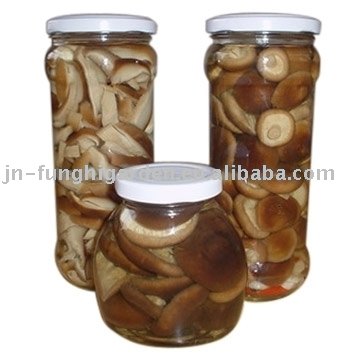
Shiitake mushrooms are found in a variety of cultures & cuisines. Russia produces and consumes large amounts of shiitakes, although they are mostly sold pickled. Of course the shiitake has its home in Chinese & Japanese cuisines where you will find it in miso soup.

Shiitake mushrooms are commonly sold dried in preserved packages. All you need to do to re-hydrate them is to soak them in water prior to using. I prefer the fresh shiitakes myself, they have a better, more full-flavored taste.

Now that we know more about this much-revered mushroom, let’s take advantage of our knowledge with the ‘Shabang! Shiitake & Brie Pizza Recipe’ post soon to follow.

Eat well & Laugh often.

Digg this

Friday, September 14, 2007

Around the World with Pancakes

Best diet for lifeSaturday morning is just around the corner and so is my favorite breakfast dish- pancakes. Covered with honey, butter, peanut butter, syrup or preserves, pancakes are a wonderful way to ring in the weekend cheer. Pancakes differ worldwide, so I thought we’d go on a pancake adventure.

In the US, pancakes are usually thick, round, flat flour cakes that deserve many toppings. Made with baking powder to make the dough rise, the pancake is served flat and stacked with toppings such as jams, syrups and whipped butter.

The British pancake is made much in the same way as the American version, yet without baking powder or yeast. They are made with a plain batter of eggs, flour & milk. For a sweet pancake- you cook it and while it’s still hot, fill with a sweetened filling, such as lemon juice & sugar, and roll her up. For a more savory pancake experience a ground beef stuffing is made to order.

The most interesting take on the pancake comes from Egypt. Like the US pancake, the Egyptian pancake contains a rising agent, either baking powder or yeast. The batter is fried on one side, allowed to cool, filled with a sweet stuffing, folded over and the edges sealed with water where it is deep fried and dipped in a sugar syrup. Yummm. Not the healthiest, but delicious all the same.

From Indonesia who specializes in pancakes made with cabbage and carrots to German potato pancakes, I love every one of them equally, provided that you at least add something sweet to it or drudge it in ranch dressing.

Look out for the upcoming ‘It’s Saturday Morning Buttermilk Pancake Recipe Time’ recipe.

Eat well & Laugh often.

Digg this

Zucchini is a Fruit?!!!!

Best diet for lifeWell, well. It looks like someone is hiding in the briar patch. Zucchini has been hiding from me, living the faux life of a vegetable. But, I have found it out, zucchini after all is a fruit!! Who knew? Maybe just about everyone but me…. I did some R & D on zucchini today, as this is what I found out:

Zucchini as we US folks, Australians and Canadians call it, or courgette as New Zealanders and the Brits know it, is a small marrow or squash commonly called an Italian squash. It can be green or yellow and has a similar shape to a cucumber- which it is sometimes confused with.

A cute little story- a friend of ours was so sweet as to make us a loaf of zucchini bread, one of my favorite treats. After giving us this thoughtful gift, he happened to mention it to his wife. Her response was, “Where did you get the zucchinis?” He in turn said, “Why, out of the garden.” She stated, “Hmm. That’s odd. The zucchini died a few weeks ago.” So, we enjoyed our cucumber bread and laughed a good laugh.

Unlike the cucumber, zucchini is usually served cooked, I prefer to roast or grill ours. The flower of the zucchini is a beautiful thing to behold and can be eaten as well, provided that is cooked. There are a variety of recipes for the flower that can be stuffed, baked or used in soup.

Zucchini is commonly thought of as a veggie, however by strict definition the zucchini is a fruit since it is basically the swollen ovary of the zucchini flower. Yum, the fruit of a swollen ovary of a flower, does that sound appetizing?

Swollen ovaries and all, I love the zucchini and I hope you’ll join me for a great recipe to follow, 24th Birthday Chocolate Zucchini Cake.

Eat well & Laugh often.

Digg this

Let’s Talk Dumplings

Best diet for lifeFrom beautiful Cesky Krumlov to Oktoberfest Munich, to the Southern US states to London pubs, dumplings make the world and the people who eat them delighted and full of joy. Dumplings are classified as tasty balls made from dough (mind out of the gutter, please) which come in a variety of dishes both sweet and savory and in several cuisines.

In the Czech Republic they make very delicious sweet dumplings called ‘ovocne knedliky’. You cannot leave Prague without one making it to your oh so appreciative mouth. Depending on the season, peaches, plums or berries will be stuffed inside these wonderful treats and will send you and your senses on a delectable ride. Can you tell I love these things? Recipe to follow soon, I promise.

Germany specializes in potato dumplings, or ‘kartoffelknodel’ which is a typical side dish with roasted and braised meats, I think you could get by with wienerschnitzel as well. Using potatoes, breadcrumbs, flour & eggs you drop these dumplings in simmering water for 15-20 minutes- that is, after you stuff a crouton in the middle of it. German potato dumplings are a perfect addition to any meal, just add sauerkraut and raise your Bavarian pint to the Fatherland.

Ahhh, the Southern US, where chicken ‘n dumplings is a staple on the menu and you may see less teeth than you bargained for. You make this dish by boiling a pot of flour dumplings with chicken broth and meat, the end effect being a brothy, doughy chicken stew. It is a bland, yet warm & cozy dish that is perfect for a sore throat.

I’m too hungry to continue, so I must get to the kitchen and start on my favorite of the dumplings, the Czech ovocne knedliky. Look out for the I’d Rather be in Cesky Krumlov Ovocne Knedliky / Sweet Dumplings Recipe.

Eat well & Laugh often.

Digg this

Guacamole History & the Cilantro is Wonderful Guacamole Recipe

Best diet for lifeHmmm, with all this talk of guacamole I had to go out and get a veggie guac wrap! It was delicious, but now on to the history & a wonderful recipe for this spectacular dip.

Guacamole is a sauce or dip, depending on who you’re talking to. It is made primarily with avocados and various other ingredients depending on the region of Mexico, or what I feel like adding that particular day. Guacamole dates back to the Aztecs who referred to the dip as ‘ahuaca-mulli’ which roughly translates to avocado sauce or mixture.

The Aztecs believed the avocado to be an aphrodisiac, they called the avocado tree ‘ahuacuatl’ which means ‘testicle tree’. The ancients thought the pear-shaped fruit hanging from the tree resembled (and I guess they weren’t too far off) testicles and believed that eating the fruit would make one potent and sexually stimulated. So on that date this week, throw out the dark chocolate and put down some avocado slices.

The basic ingredients for guacamole, aside from the main star avocado, includes lime or lemon juice and salt. I like to mix it up more myself and have a guacamole salad type dish. Here is my famous Cilantro is Wonderful Guacamole Recipe.

Ingredients:

  • 3 avocados, peeled, pitted & mashed (take the pit & plant in some dirt, will grown into some beautiful indoor foliage)
  • 1 tablespoon lime juice
  • 1 teaspoon salt
  • 3 Roma tomatoes, chopped
  • 1/2 cup onion, chopped
  • 2 teaspoons garlic, minced
  • 4 tablespoons fresh cilantro, chopped
  • 1/8 teaspoon cayenne pepper (or an amount you feel comfortable with)

What’s Next:

In a medium bowl- mix together avocado mash, lime juice, salt, chopped tomatoes, chopped onion, garlic, cilantro & cayenne pepper. Stir until well blended.

Chill for 30 minutes and you’re ready to enjoy the best guac ever. You wanna know a dark, dirty secret I have about my guac? I love to dip a Fritos scoops chip into Rotel, then fat-free small curd cottage cheese, then dip the chip into guacamole & eat it all together. It sounds a little odd, I realize- but it really is a wonderful way to enjoy this aphrodisiac.

Eat well & Laugh often.

Digg this
Template by Tiamo